
Commercial Services
Falmouth Harbour is a statutory port authority with responsibility for the Inner Harbour at Falmouth (excluding Falmouth Docks), the Penryn River up as far as Coastlines Wharf, the southern part of the Carrick Roads and a large part of Falmouth Bay.
There are a number of ports within the Fal Estuary which between them offer a wide range of services to the commercial shipping, fishing and leisure sectors.
A wide range of services
As the third deepest natural Harbour in the world, Falmouth’s unique geography and position as the UK’s Atlantic Gateway, makes it a highly valuable port for a range of operators.
Falmouth Bay is the only bunker anchorage in the UK that is outside of the Northern European SECA area.
Due to Falmouth’s location and level of vessel traffic, operators can often enjoy a quick and efficient turnaround, reducing vessel downtime and costs.
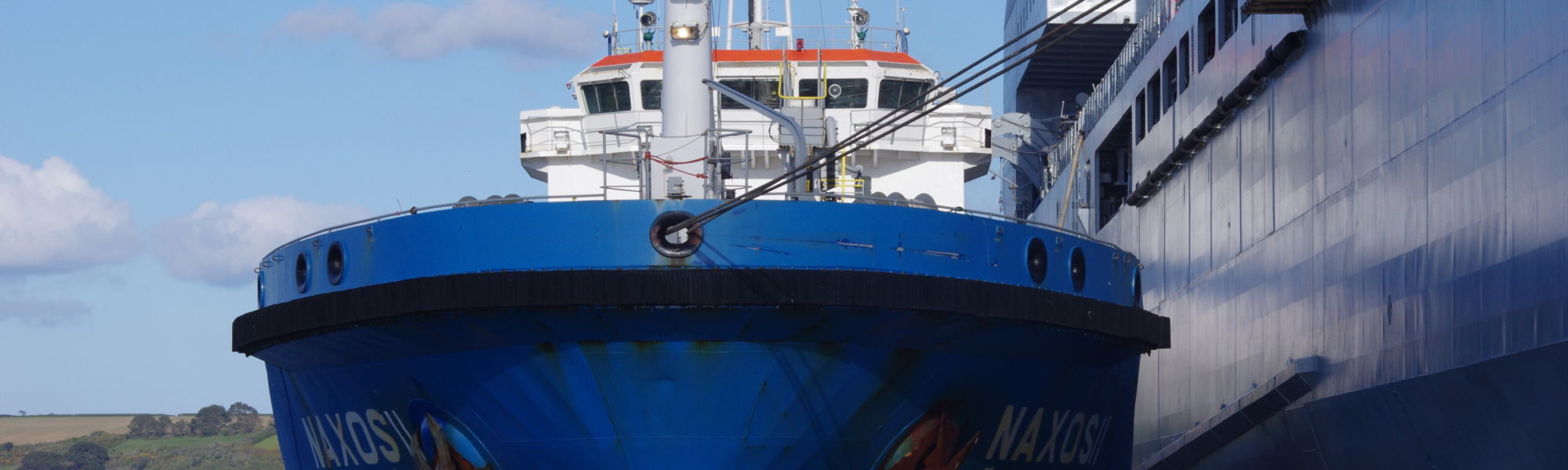
Alongside berths for ship repair, refit, cruise calls, lay by and cargo handling are available at the shipyard operated by A&P Falmouth Ltd
Berths are available for vessels up to 230m and 8.4m draft.
The shipyard can is equipped with dry dock facilities for vessels up to 250m.
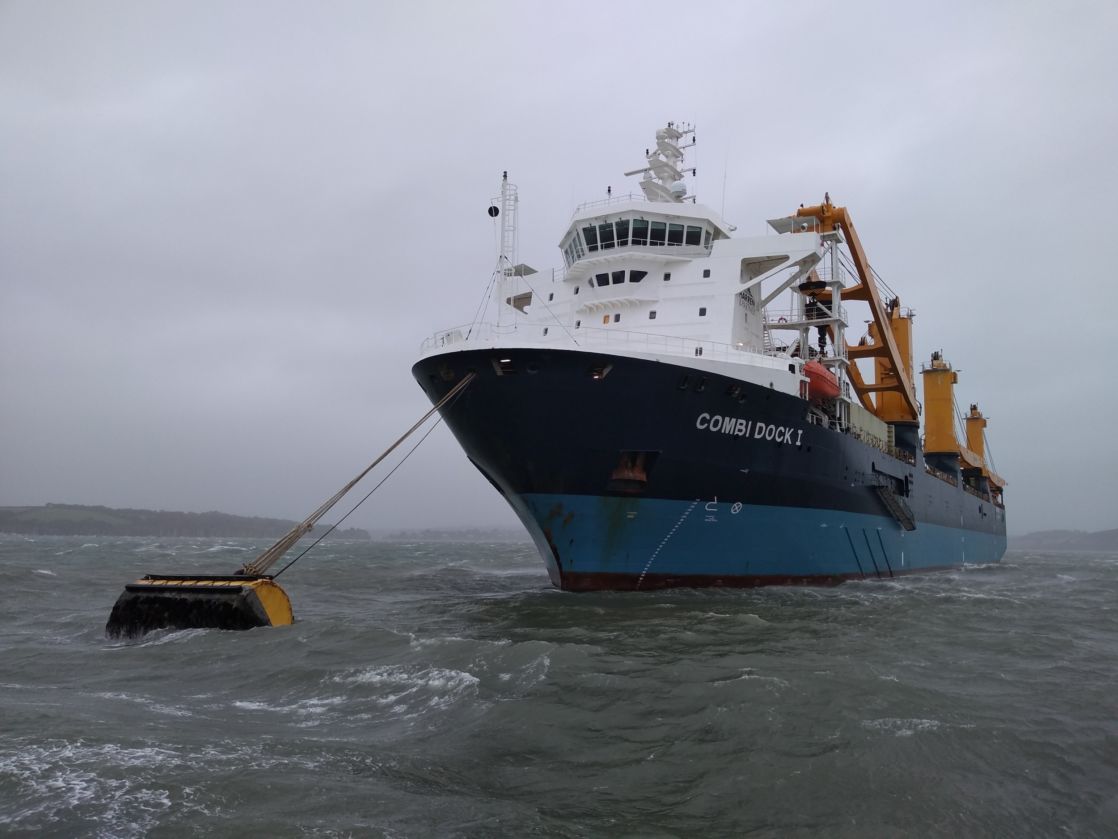
The Harbour area is equipped with a number of Commercial moorings capable of accommodating a range of vessels up to 190m LOA. View details of commercial moorings.
The area can cater for a truly diverse range of vessels and offers a complete range of services to the shipping industry including:
- Deep water bunkering.
- Cruise calls.
- Ship repair, refit and dry docking facilities via A&P Falmouth.
- Long and short term lay up.
- Cargo handling.
- Casualty reception.
- Anchorages for vessels seeking shelter.
- Personnel transfer, stores and other port services.
- In water surveys.
- Propellor polishing.
- Superyacht berthing, repair and refit.
- Deepwater moorings for vessels up to 180m and 10.5m draft.
Safe Anchorages
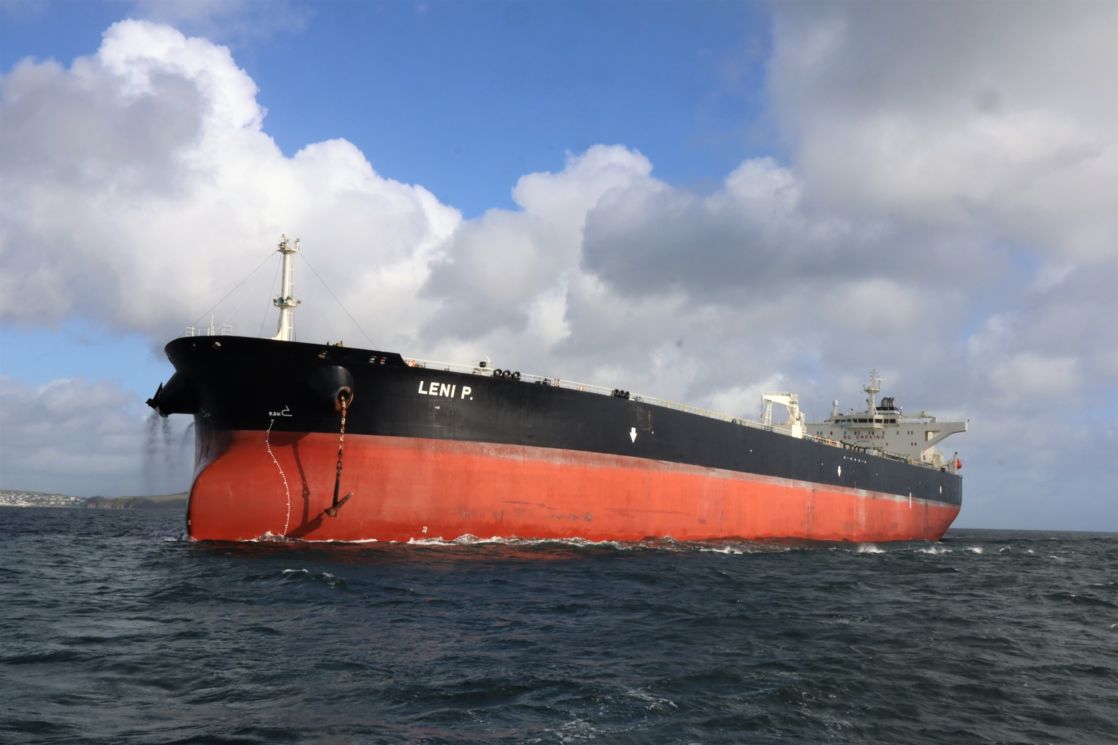
Falmouth Bay is a large, deepwater anchorage, with year round shelter from the prevailing westerly winds and capable of accommodating the largest ships in the world.
The anchorages of the Carrick Roads can accommodate vessels up to 183m LOA on a running moor whilst smaller vessels can utilise the Falmouth Bank anchorage for ease of access to the ports facilities and the town.
Falmouth’s anchorages are ideally suited for vessels taking bunkers, awaiting orders, seeking shelter or undertaking stores, crew changes and other service calls.
Vessel Noise in Falmouth Bay
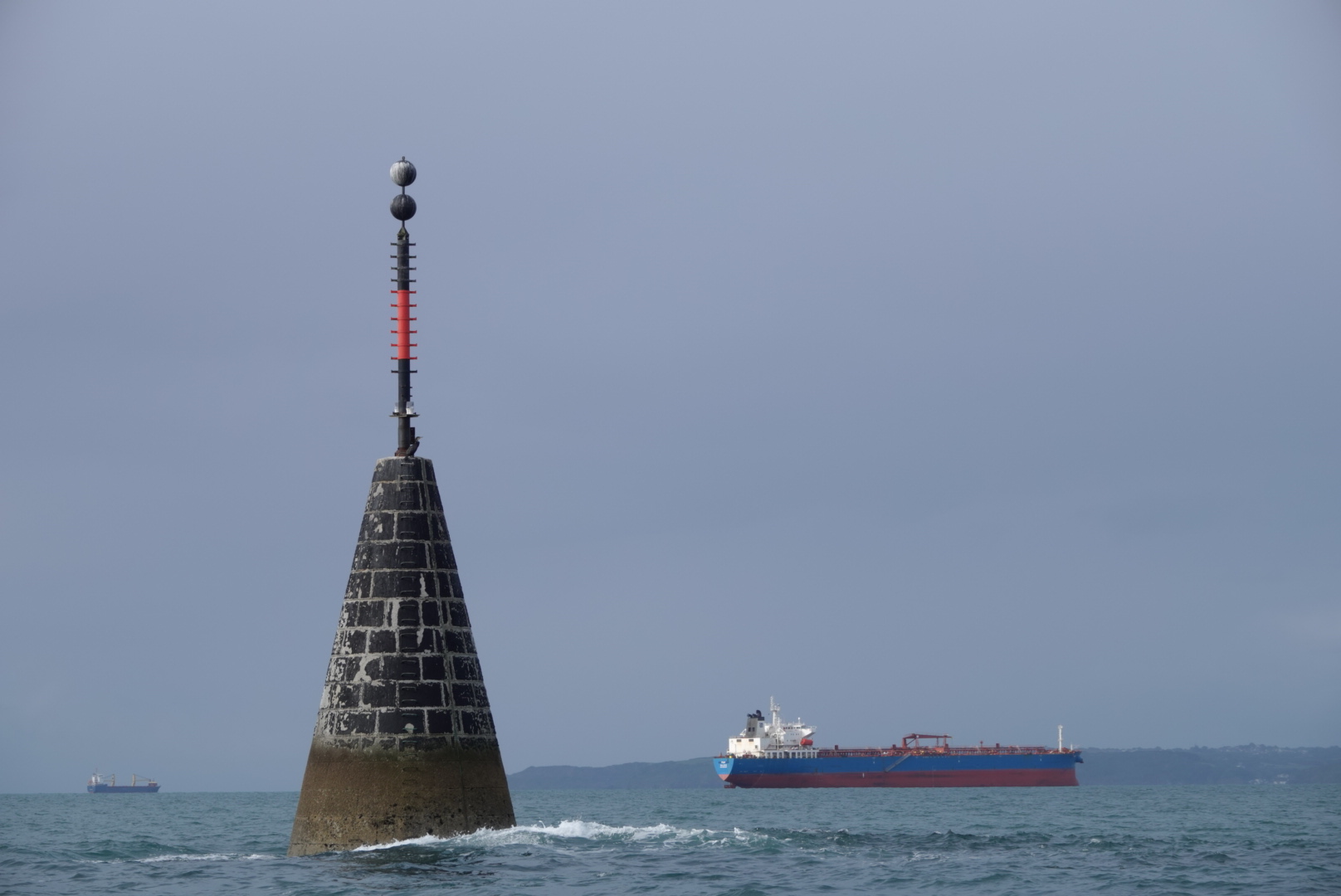
Falmouth Harbour takes residents’ views seriously. Falmouth harbour’s aim is to safely manage Falmouth Harbour in a responsible and professional manner; to facilitate sustainable development and long-term prosperity of the harbour to the benefit of all its users and the wider community.
Falmouth has a long history as a working port and vessel movements, anchoring, and associated sounds are an intrinsic part of the Harbour’s operation.
What influence does Falmouth Harbour’s Harbour Master have regarding noise from vessels at anchor?
Commercial ships operate in line with international marine regulations which can be enforced by country specific governing bodies and authorities, in the UK this is the MCA (Maritime and Coastguard Agency) and international by the IMO (International Maritime Organization). The legislation controlling noise pollution from ships is currently very limited.
As a Statutory Harbour Authority, Falmouth Harbour has an ‘open port duty’. This is a requirement to keep the Harbour open for the shipping and unshipping of goods and FH cannot prevent vessel entry to the Harbour.
The safe anchoring of a vessel remains the responsibility of the vessels Captain and Falmouth Harbour has limited powers to control the anchoring position of vessels unless they are under pilotage.
What steps has Falmouth Harbour taken to reduce the noise being emitted from ships in Falmouth Bay?
Falmouth Harbour acknowledges residents’ concerns, and we have and will take action to reduce the impact of vessel noise, as follows:
- When appropriate request that vessel masters anchor in locations further from shore, to reduce vessel noise onboard during nighttime operations and very still weather.
- Local Pilots understand and consider vessel noise when selecting anchorages.
- Contact local ships agents to ensure operators and vessel crews are aware of the importance of reducing vessel noise, when possible.
- Engage with ship owners and operators when a resident vessel poses noise concerns to encourage solutions.
Navigational and operational safety always remains the priority when anchoring vessels.
Falmouth Harbour has been a working port for centuries and Falmouth Bay provides a safe anchorage for ships awaiting berths in Falmouth Docks, sheltering from weather, or conducting necessary operations including bunkering (refuelling at anchor). This activity is essential to our local, regional and national economy, supporting local jobs, businesses, and the wider maritime industry.
Summary
Some level of noise is an inherent aspect of maritime operations, for example, ships at anchor use equipment like generators to power essential onboard systems. It is also important to also acknowledge that there are many other sources of noise pollution within the Falmouth area.
Noise reported as a result of the operational activities aboard vessels, are beyond our direct control and we have no powers to direct or control noise, or direct a ship under our Harbour powers, purely to address noise.
Falmouth Harbour is a “Trust Port”, an independent statutory body run on a commercial basis by an independent Harbour Board – Falmouth Harbour Commissioners – for the benefit of its stakeholders comprising marine users, both commercial and leisure, and local interests and communities.
We fully understand that, at times, noise from ships in Falmouth Bay can be heard ashore. This can often occur in calm conditions, but we are unfortunately very limited in the actions that we can take.
That said we recognise residents’ concerns. While some level of operational noise is unavoidable, we will continue to engage with ship operators to deliver practical steps to minimise disturbance where that is possible.
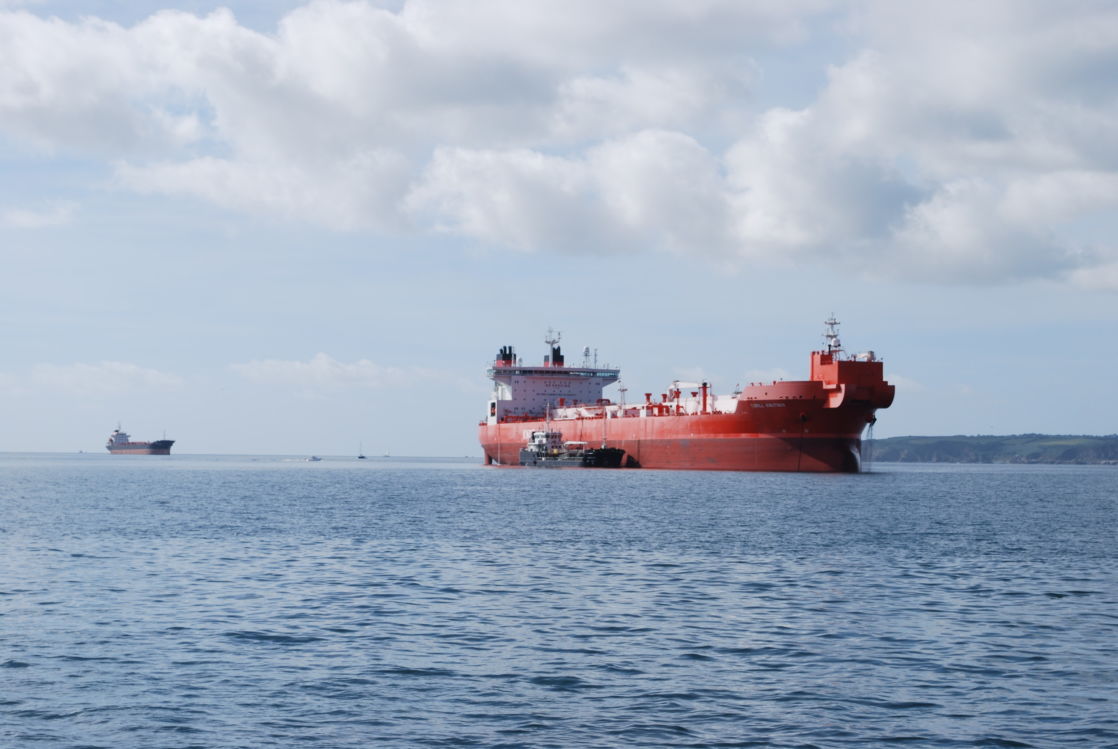
Bunkering
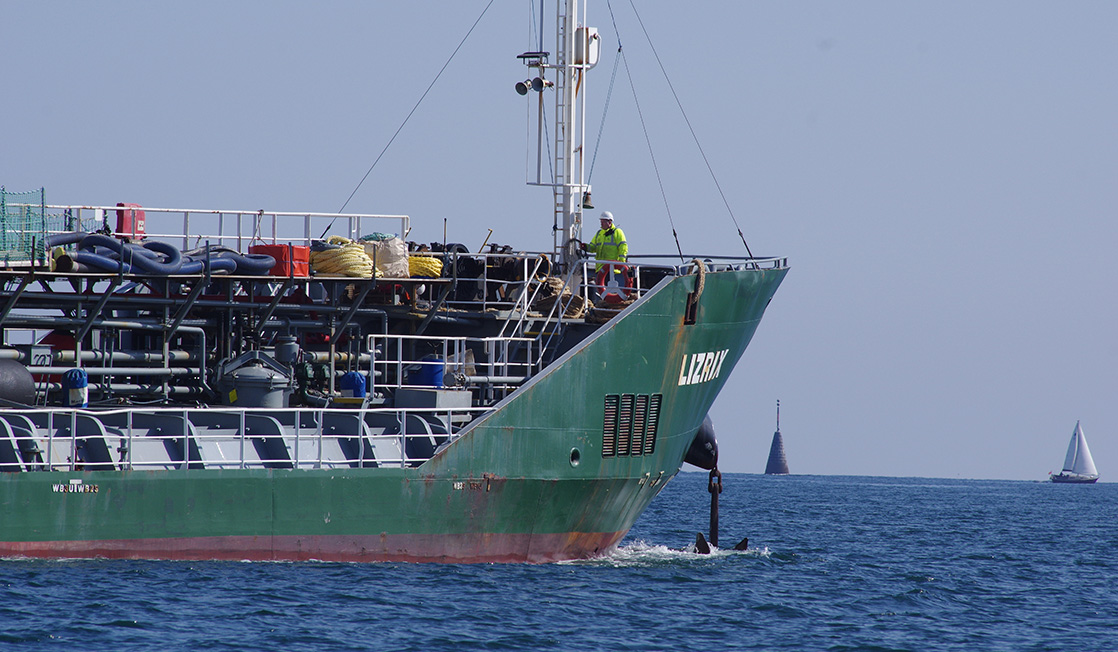
Falmouth is a long established bunker supply port known for quick turnarounds and minimal delays.
The Eastern Jetty and fuel terminal provide the UK’s most western outpost for deep water bunkering.
Ship Repair Facilities
Ship repair facilities are available at the shipyard operated by A&P Falmouth Ltd www.ap-group.co.uk, which offers a complete package of support ranging from in-service repairs and overhauls to specialist repair capabilities such as aluminium welding and in-situ machining.

Cargo Handling
The area has several options for handling a range of cargoes including dry and project cargoes at A&P Falmouth, Lighterage Quay in the Port of Truro and the export of Cornish stone from Porthoustock Quarry on the Lizard Peninsular.
In Water Services
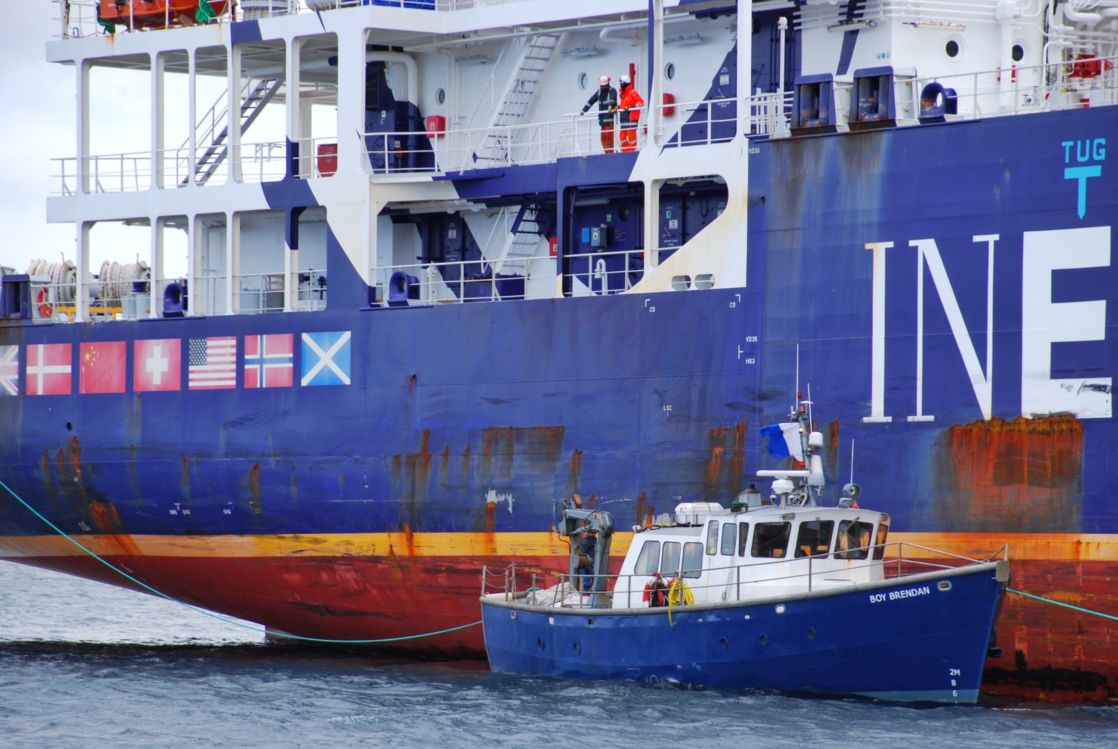
Falmouth’s anchorages are the ideal location for in water services including underwater surveys and dive inspections.
Dive teams benefit from excellent visibility, good shelter and minimal current leading to efficient turnarounds and reduced down time for vessels.
Propeller polishing may be permitted following consultation with the Harbour Office.
Deepwater
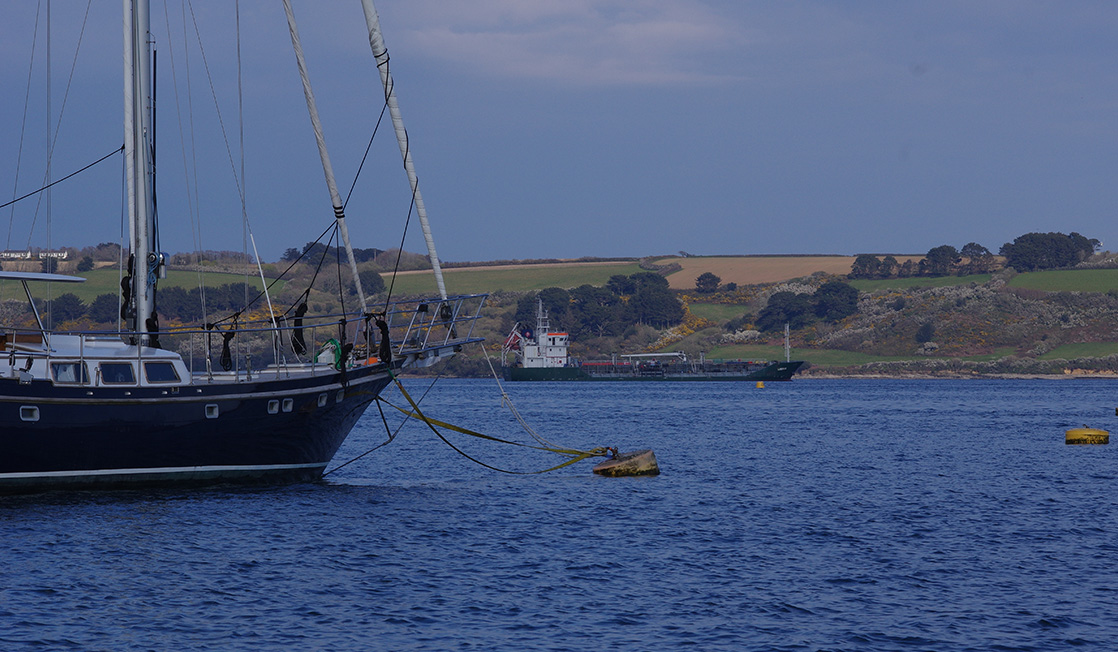
The area is famed for it’s sheltered, deep water and geography which has made the port what it is today. Whilst the bay can comfortably accommodate the largest and deepest ships in the world, the Carrick Roads boasts a natural deepwater channel with depths in excess of 30m in places.
The channel extends upwards through the River Fal, enabling the unique positioning the Port of Truro’s lay-up moorings, suitable for vessels up to 219 metres in length, in almost complete shelter.
Permissions and notifications related to ship operations
In line with UK legislation, permission must be given from the Harbour Authority for certain activities to be undertaken. Other activities require notice to be given in advance.
- Seek approval to undertake hot work in accordance with Dangerous Goods in Harbour Areas Regulations 2016.
- Seek approval to load, discharge or tranship explosives, by completing form 30-050-01.
- Seek approval to tranship other dangerous or polluting goods.
- Seek approval to deliver bunkers within FHC port limits.
- Give notice of your intention to transfer oil or oil products at night.
- Seek approval to undertake hull or propeller cleaning.
Statutory Reporting
Under UK Law it is compulsory to report certain incidents and accidents.
Find out how to report a spillage of oil, fire or other emergency.
Report an accident or near miss in accordance with the EU Accident Reporting Regulations.
