
Falmouth Harbour Underwater
Artificial reefs are increasingly used around the world to boost biodiversity and provide new homes for marine life but how well do they really work? To explore this, University of Plymouth MSc Marine Conservation student Natasha Bamford, supported by Falmouth Harbour, used Baited Remote Underwater Video Systems (BRUVs) to compare the fish and invertebrates found around Falmouth Harbour’s artificial reef cubes with those on nearby natural rocky reefs at Trefusis.
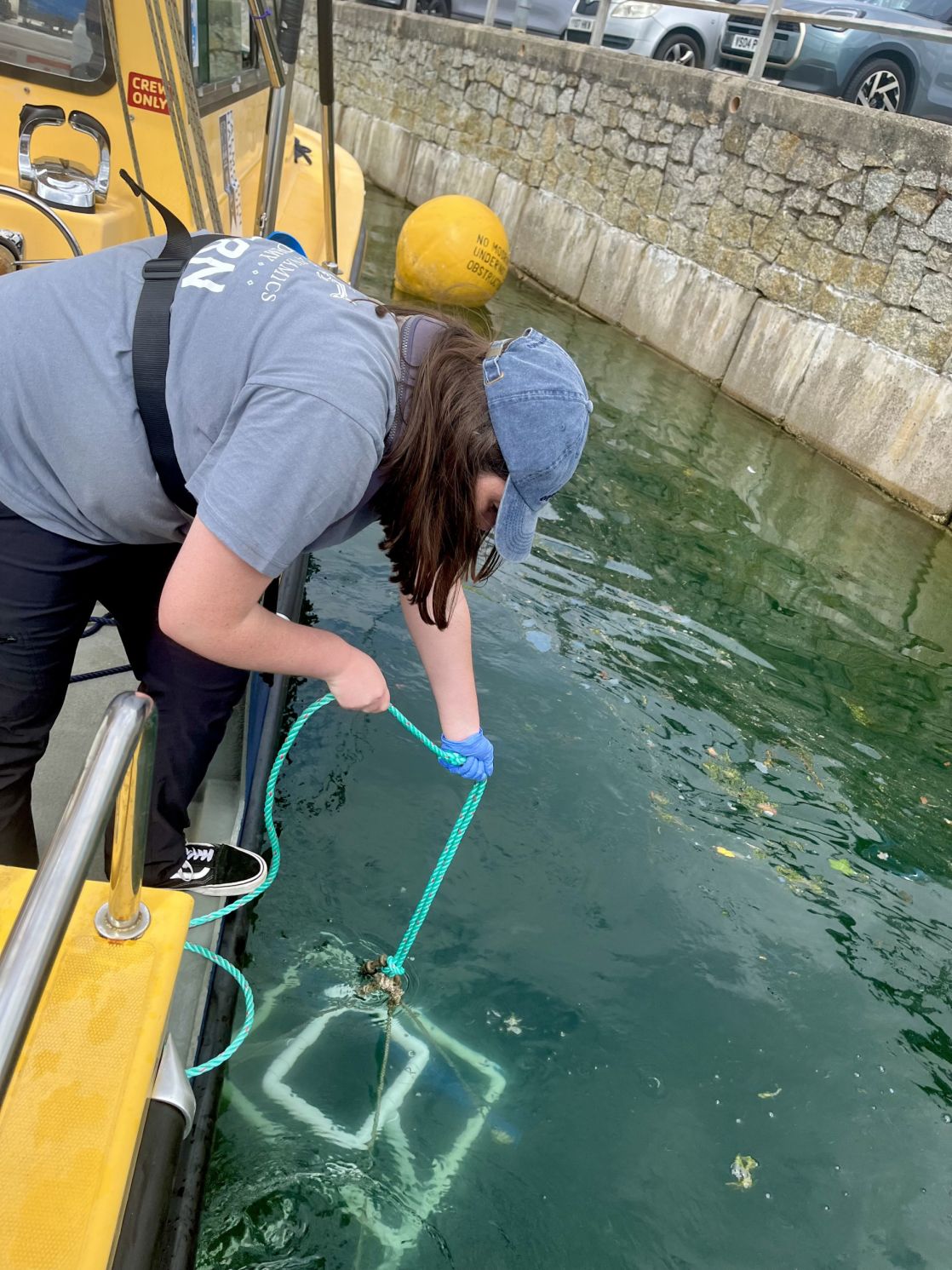
The BRUVs consisted of an underwater camera attached to a plastic frame used to record videos of species that are attracted to baited canisters, allowing us to identify and count the different animals visiting each habitat without disturbing them. This simple but effective method helps reveal which habitats are most attractive to local wildlife and gives insight into how artificial reefs might support life beneath our busy harbours.
What We Found Beneath the Waves
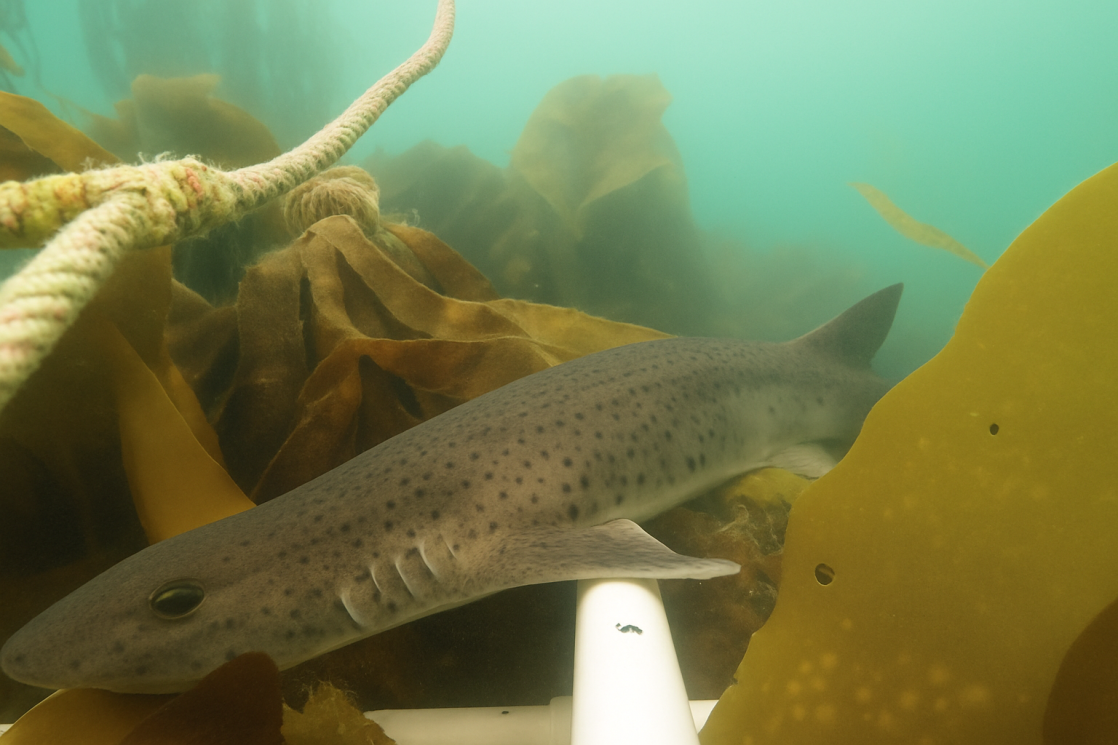
The BRUV footage revealed a fascinating variety of marine life, including bass, spider crabs and even a curious a nursehound shark. Across both sites, 30 different species were recorded, highlighting just how much life thrives beneath the surface of Falmouth Harbour. Overall, the natural rocky reefs were home to a greater number of species likely because natural reefs provide far more complex structures with plenty of hiding spaces and feeding areas. Even so, the artificial reef cubes attracted plenty of fish and invertebrates, demonstrating their potential to create additional habitat in areas that would otherwise be bare.
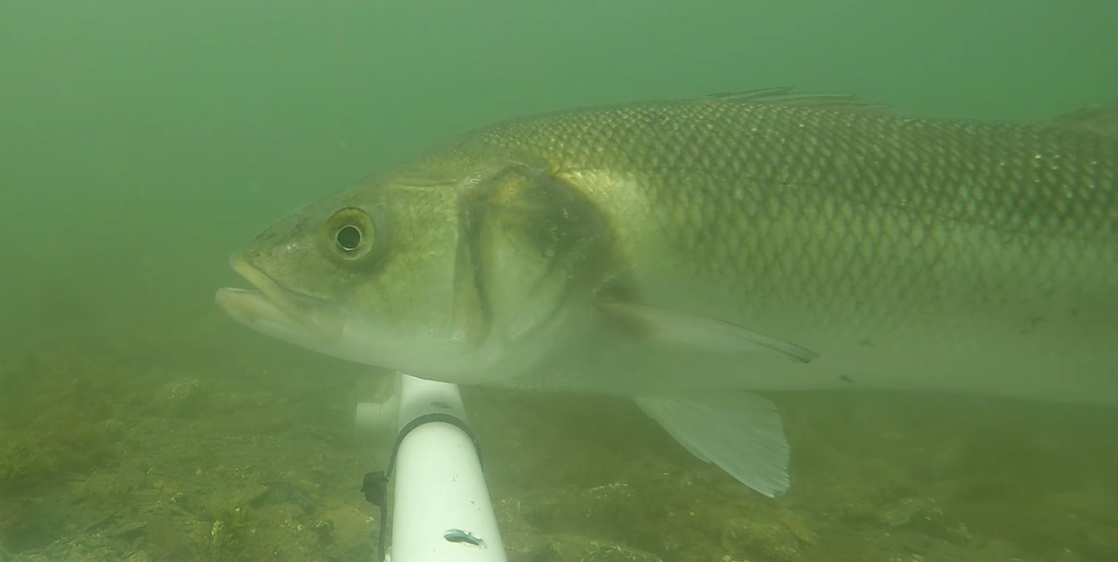
Interestingly, some species showed clear preferences between the sites. Gobies were more often seen around the artificial cubes while pollack tended to favour the natural reefs. These preferences of habitat type could be influenced by the slightly different locations and environmental conditions at each site, showing how a range of factors shape where species choose to live and illustrating that both habitats are important for supporting marine life.
Artificial reefs can take several years to reach their full potential, so continued monitoring will be important to understand how these communities change over time. These early findings provide a useful baseline for future studies and reinforce the message that conserving natural reef habitats should remain the main priority, while artificial structures can play a supportive role in enhancing biodiversity.
