
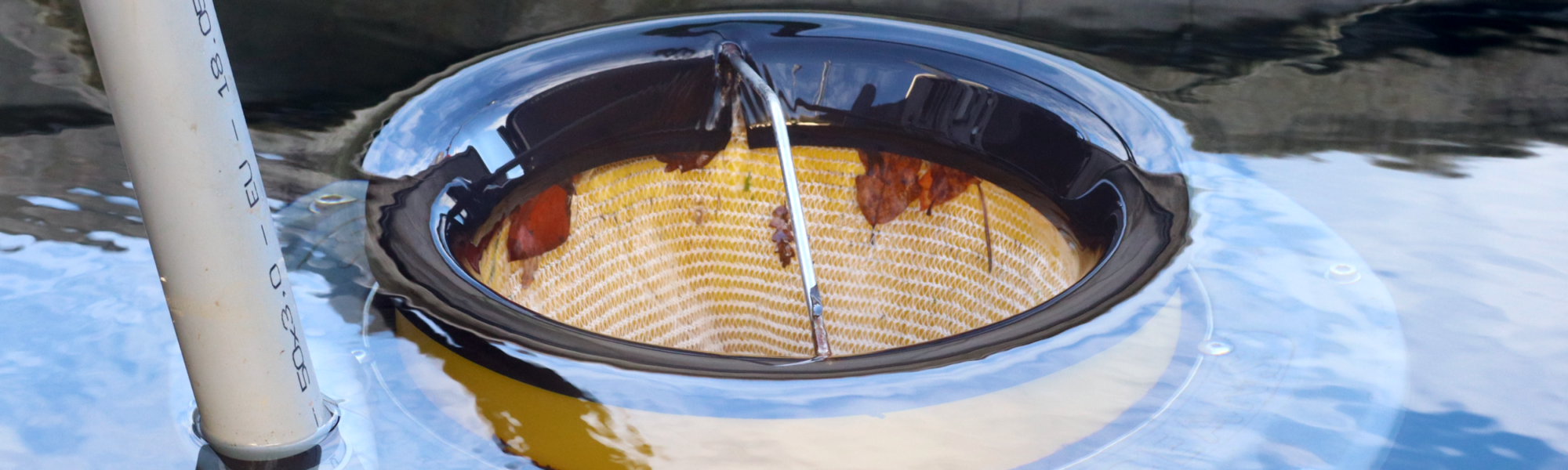
Falmouth Harbour Seabin
Back in September 2021, Falmouth Harbour installed a Seabin on our pontoons, generously sponsored by PaddleLogger. The aim was simple: help remove litter from the water while giving us a better understanding of the types of waste entering our harbour.
Over the following months, the Seabin proved to be an effective tool, effectively collecting floating litter along with other floating debris such as seaweed and even a dead squirrel! We found it provided insights into the plastics within our local marine environment and recorded what we found using photos and spreadsheets. Some examples of what has been caught are provided below.
HOW DOES IT WORK?
In 2023, Maddie Moate visited Falmouth Harbour to see the Seabin in action and create a video explaining how the technology works. The video helped shine a spotlight on the issue of marine litter and the importance of monitoring and protecting our coastal waters.
You can watch the video here by clicking on the button below.

A surprising discovery

One of the most striking findings was the sheer volume of polystyrene particles being captured. Time and again, these small fragments were the most common form of plastic found in the Seabin. During one 24-hour collection period alone, an astonishing 151 individual pieces of polystyrene were recovered.
This prompted us to investigate where these fragments might be coming from. While it is impossible to identify a single source with certainty, one likely contributor is pontoon flotation systems. Many traditional pontoon floats are made from polystyrene encased within concrete, and over time small particles can find their way into the marine environment.
The presence of polystyrene in our waters is concerning. Recent research carried out by a PhD student at the University of Exeter which has suggested that polystyrene, may provide a surface that encourages the growth and transport of antibiotic-resistant bacteria, highlighting yet another reason to reduce plastic pollution in our seas.
Turning insight into action
The lessons learned from the Seabin have directly influenced our environmental policies.
As a result of the polystyrene findings, Falmouth Harbour has committed to no longer purchasing traditional polystyrene-filled pontoon floats. Instead, we have explored and adopted other suitable alternatives. These include HDPE tubes and containers, metal tube systems, and, most recently, working with Scaffloat to trial their innovative Reef Float design, which contains no plastic flotation material at all.
This work culminated in the installation of the world’s first all-concrete pontoon float, demonstrating how practical innovation can help reduce the risk of plastic pollution at its source.
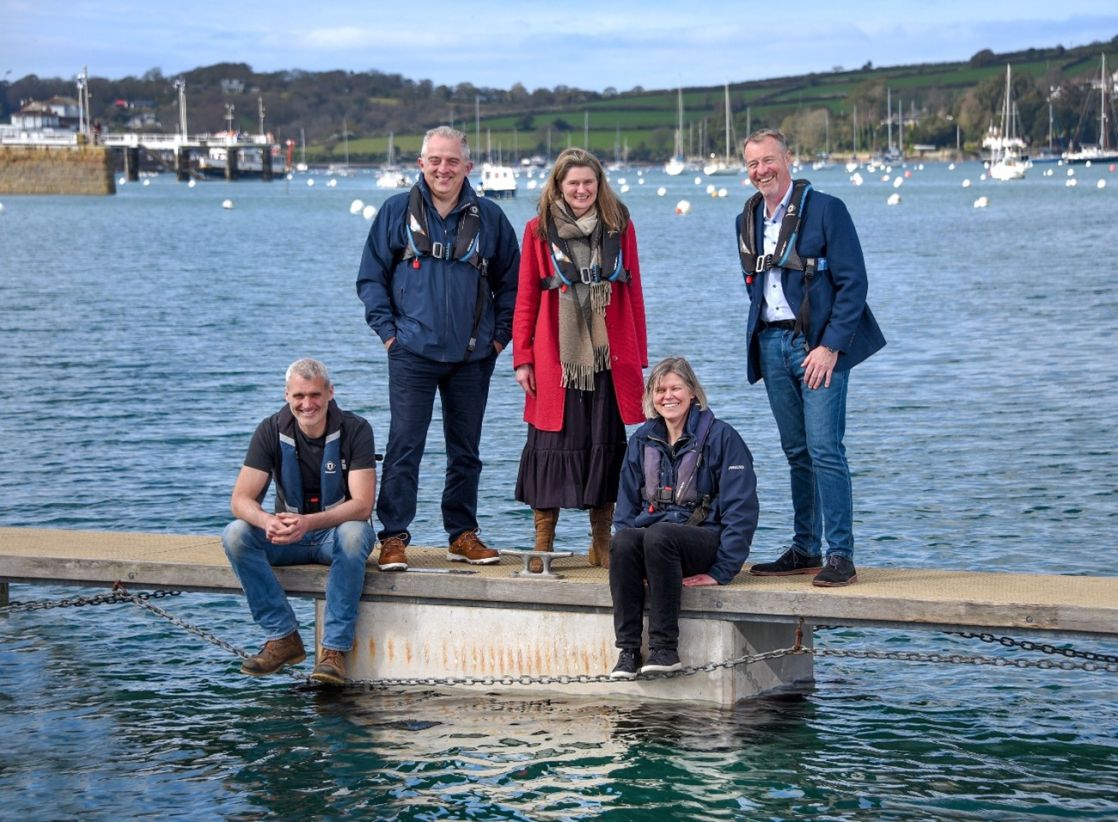
Protecting Marine life
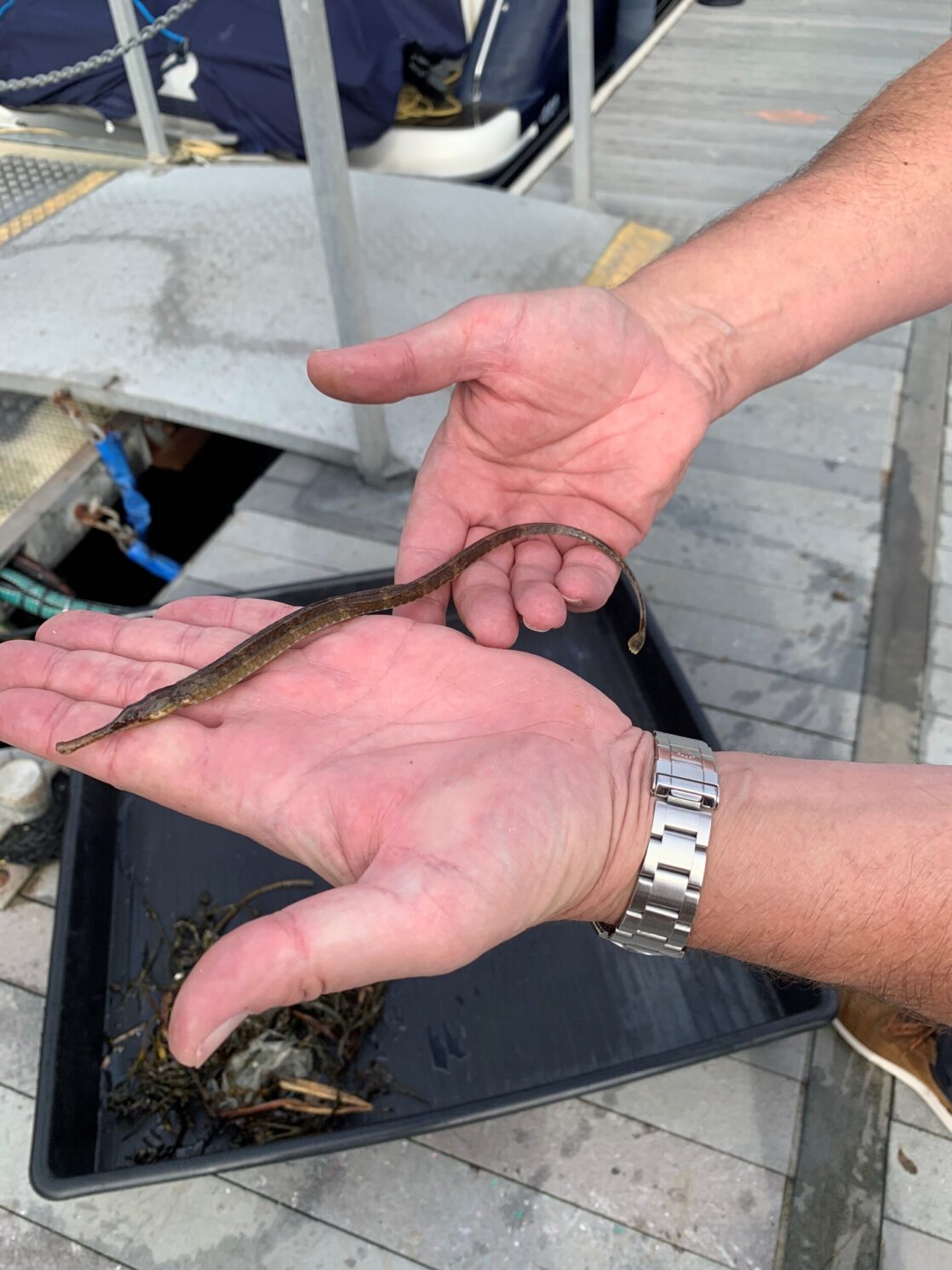
While the Seabin was highly effective at collecting litter, it also highlighted another important consideration. Alongside the waste it captured, we regularly found a variety of marine life within the unit.
Marine life mainly consisted of seaweed, but some marine creatures were found during our daily net empties. We were able to safely return most to the water, but some were less fortunate, and these observations raised concerns about the potential impacts on wildlife living around the pontoons. After careful consideration, this became one of the key reasons behind our decision not to replace the Seabin when it reached the end of its operational life.
A new approach
Our commitment to keeping Falmouth Harbour clean remains as strong as ever.
Rather than replacing the Seabin, we have worked with a local harbour stakeholder to develop a practical litter-removal policy across our operations. Nets and litter pickers are now available on all harbour vessels and at our office locations, enabling staff to remove litter whenever they spot it.
By combining proactive litter collection with efforts to reduce pollution at its source, we hope to make a lasting difference to the health of our harbour and the wider marine environment.
The Seabin may have been just one piece of equipment, but the knowledge it provided continues to shape the way we protect and improve Falmouth Harbour for future generations.


